Professional Screen Enclosure Repair in Punta Gorda & Port Charlotte

Professional Screen Enclosure Repair

Common Repairs We Handle

From torn screens and worn panels to damaged doors and storm-related issues, Screen Experts provides reliable screen enclosure repairs throughout Punta Gorda and Port Charlotte. We’re happy to take on small jobs, single-panel fixes, and full enclosure repairs.

img

Loose or sagging screen panels

img

Single-panel replacements

img

Door repairs (hardware, hinges, bug sweeps, closers)

img

Kick plate replacement

img

Corner jack repairs

img

Hurricane damage

Small Jobs Welcome

You don’t need a full rescreen for us to show up. We happily take care of single panels, roof panels, door screen replacement, and small repair work. Quick repairs can make a big difference in keeping your enclosure clean and functional.


Storm & Hurricane-Related Damage

Heavy winds, falling branches, and past storms can leave your enclosure damaged or unsafe. We handle panel replacement, door repairs, structural touch-ups, and prep work to help reinforce the cage before hurricane season.


Common Screen Enclosure Issues Homeowners Often Miss

Not all enclosure problems are caused by storms or obvious damage. Issues like failed drains, loose fasteners, and small gaps can quietly allow water intrusion, pests, and long-term wear. Here’s a quick example of a common issue we inspect and repair for homeowners in Punta Gorda and Port Charlotte.

Why Homeowners Choose Screen Experts

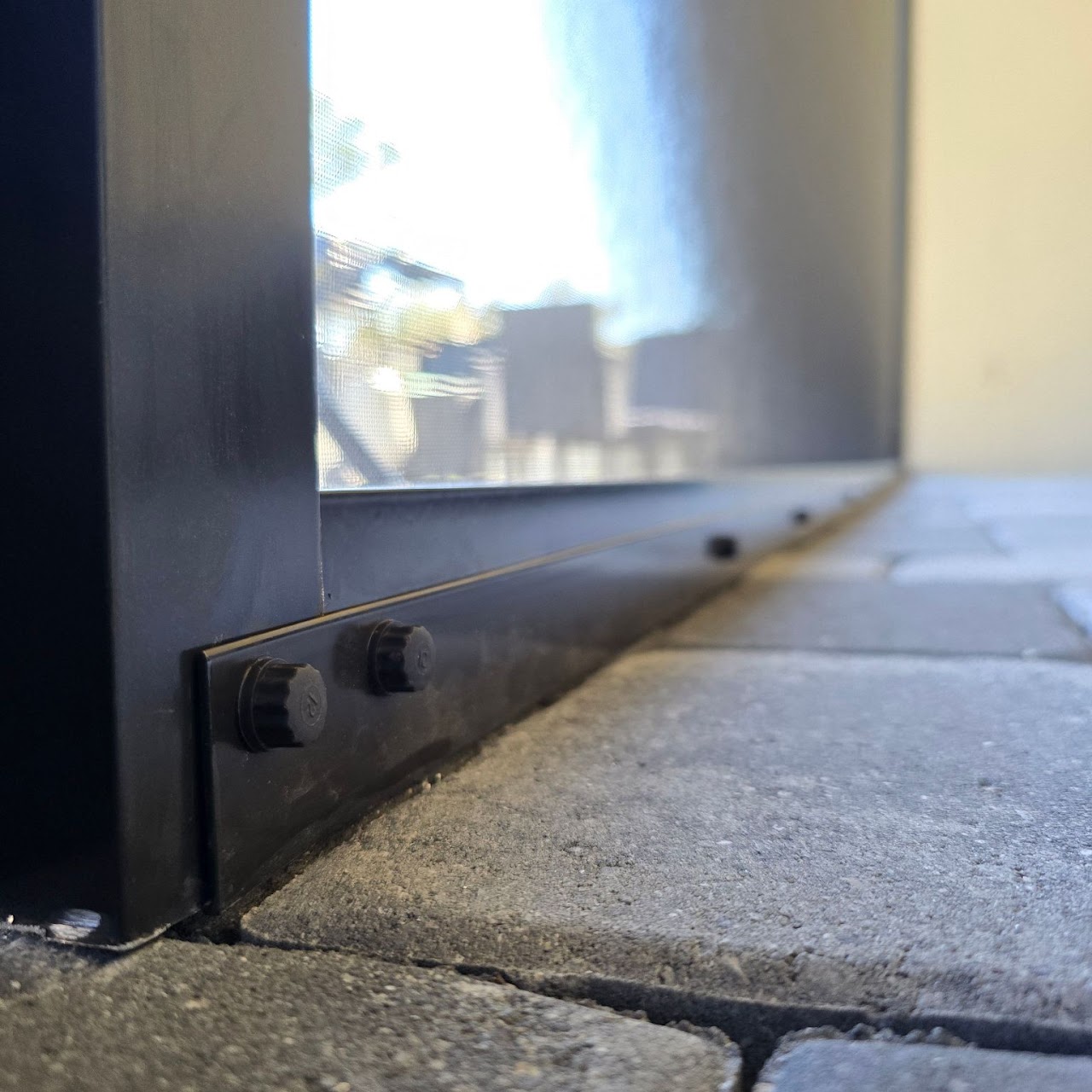
Used stainless steel screws and caps to secure the bottom rail for a clean, finished look.
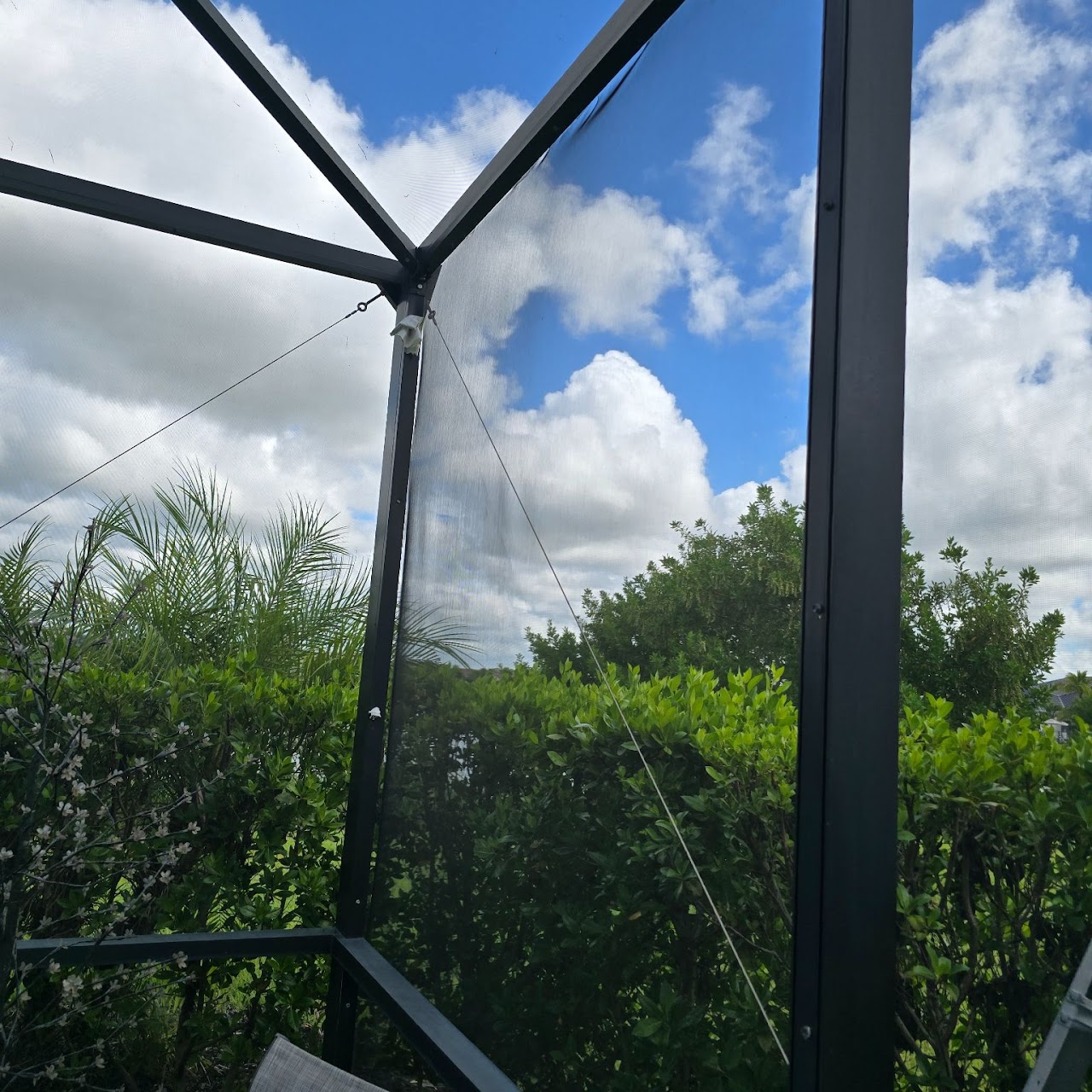
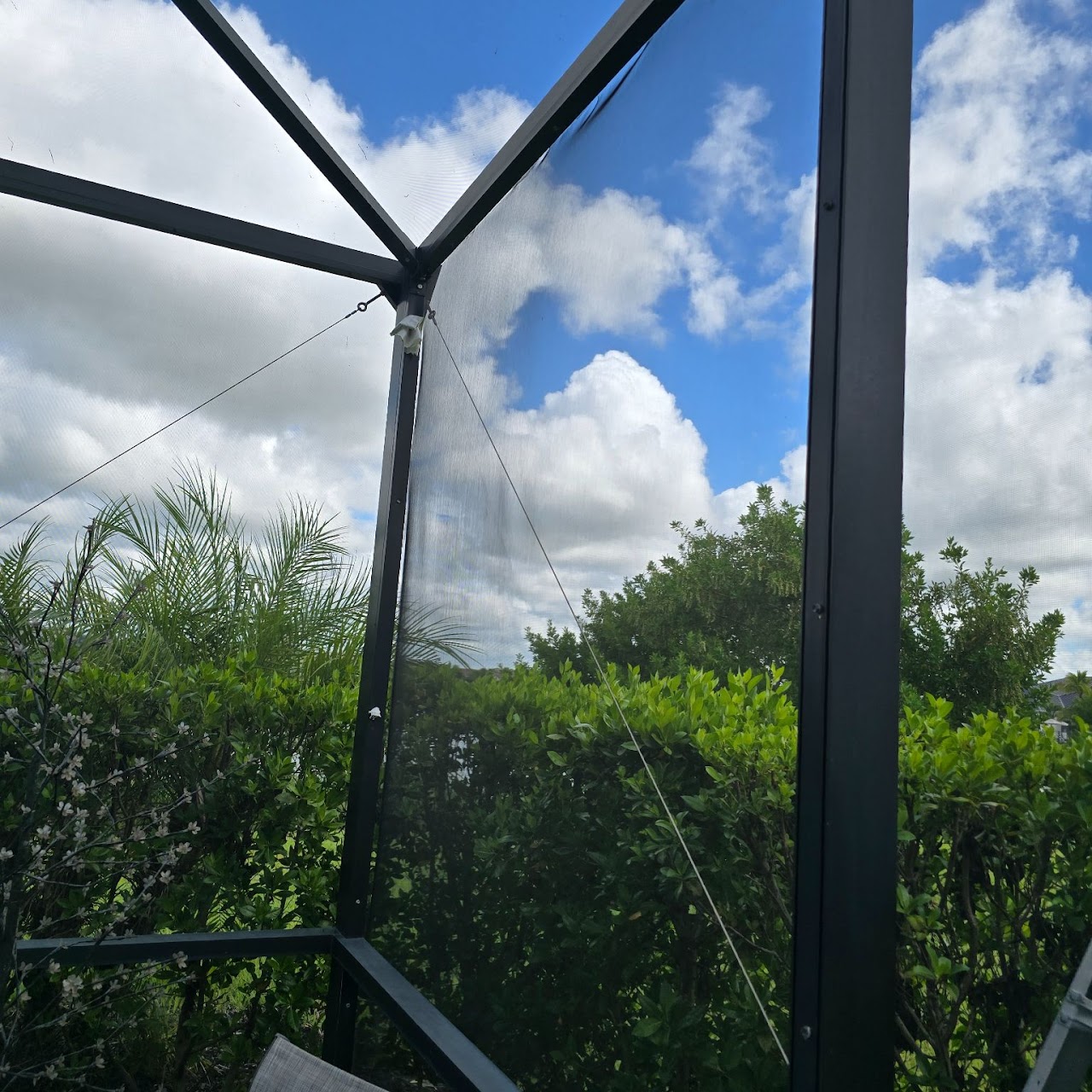
Wrinkled screen with gaps before replacing the panel.
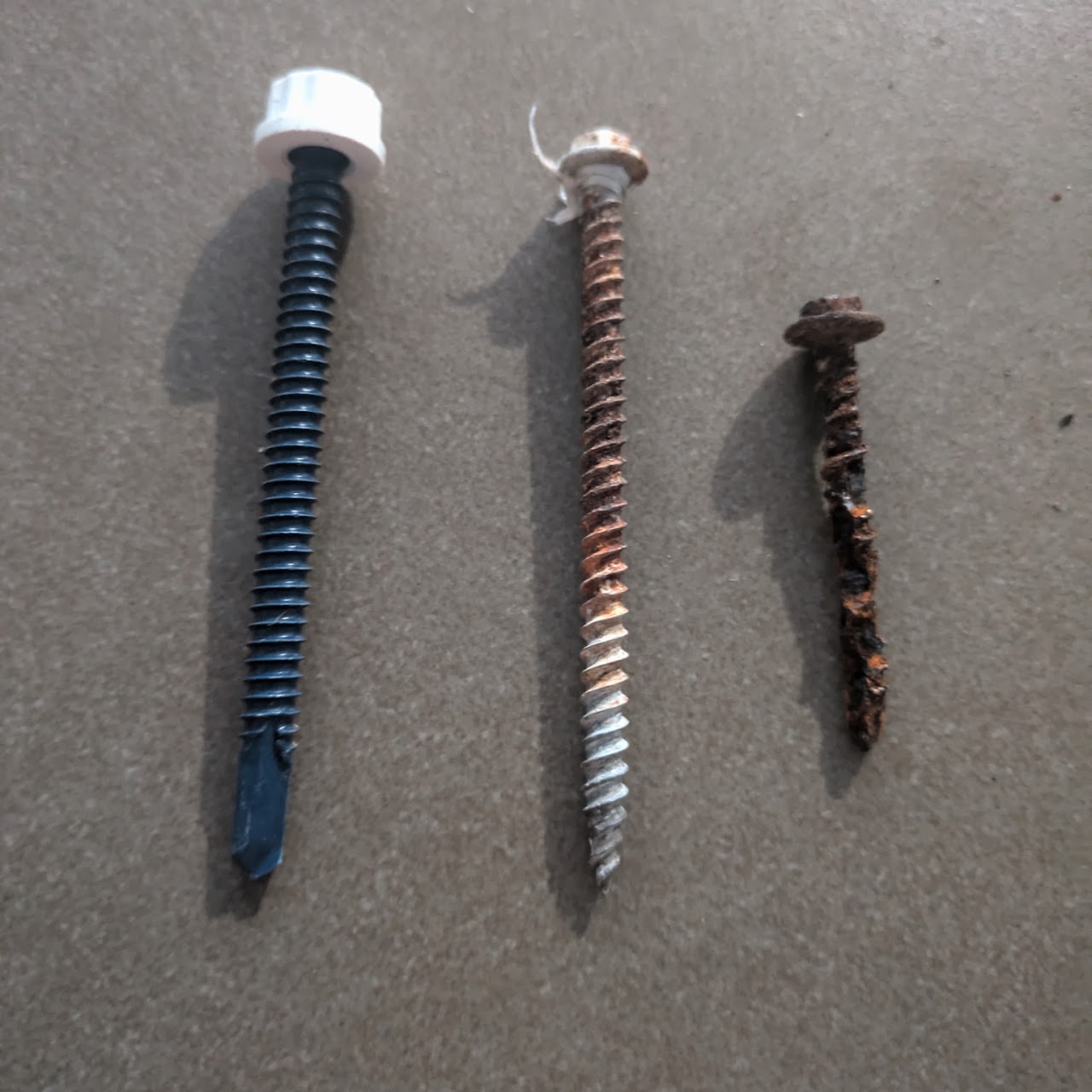
Swapped a rusted screw for a long-lasting, rust-resistant Nylo-Tec fastener.

Issues like this are commonly found during inspections and are often addressed alongside pool cage rescreening and lanai screen repair projects.

FAQ

The average cost of a screen enclosure in Florida typically ranges from $12,000 to $25,000+, depending on the size of the enclosure, roof style, engineering requirements, and the type of screen material used. For homeowners in Punta Gorda and Port Charlotte, pricing can also vary based on existing structural conditions, permit requirements, and whether the project involves a new enclosure or upgrades to an existing pool cage or lanai. 

Florida weather is tough on screen enclosures — constant sun, humidity, salt air, and storms all take a toll. Choosing the right screen material can make a big difference in how long an enclosure lasts and how it performs.

Fiberglass screen (most common)
Fiberglass is the most widely used screen material in Florida and is what many original enclosures are built with. It’s affordable, flexible, and provides a clean appearance, making it a good option for many homeowners.

Polyester screen (durability-focused option)
Polyester screen is significantly stronger than fiberglass and is more resistant to stretching, ripping, and fading. Because of its strength and durability, our team now use polyester screen as a standard option for pool cages and lanais, while still offering other materials when appropriate.

Florida Glass (privacy and barrier material)
Florida Glass is a laminated privacy screen made by Phifer. It looks similar to standard screen but includes a solid backing. It’s commonly used for lower panels of pool cages or areas where added privacy, rain protection, or debris control is needed. Florida Glass is not designed for full enclosures or areas where airflow is required.

Other screen options
Depending on location and use, some homeowners choose specialty materials such as no-see-um screen for small insects, Pet Screen for added strength, or privacy screen to reduce visibility and sun exposure.

The best screen for a Florida home depends on how the enclosure is used, surrounding conditions, and personal preferences.
Screen panels usually show clear signs when they’re nearing the end of their lifespan, especially in Florida’s climate. Common indicators include a faded or shiny appearance, a brittle or chalky texture, small rips or fraying, and sagging panels that move in the wind.

Homeowners may also notice more insects getting inside or panels that no longer stay tight within the frame. If your screen looks gray instead of charcoal, or feels dry and stiff to the touch, it’s often a sign that the material has weakened and rescreening is needed.

Addressing worn screens early can help restore protection and extend the life of a lanai or pool cage without requiring more extensive repairs.

Yes — in most cases, a permit is required for screen enclosure work in Florida, especially when the project involves structural components. This commonly includes building a new pool cage, replacing or modifying the roof structure, altering beams or footers, or attaching a new enclosure to the home.

Permit requirements can vary by county and by the scope of work. In areas like Punta Gorda and Port Charlotte, even some enclosure repairs may require permits if structural elements are affected. Confirming permit requirements ahead of time helps avoid inspection issues, delays, or problems during future property sales.

A permit may be required depending on your local building department and how they classify the space. Some areas allow screening an existing covered porch with no permit, while others require one even for simple screening. Because the rules vary, we always check the requirements for your specific address before starting any work. 

Yes. Screen enclosures in Florida must be installed or modified by a properly licensed aluminum specialty contractor. This type of work involves structural attachment to the home, hurricane-rated fasteners, and engineering considerations that go beyond general handyman services.

Installing or altering a screen enclosure typically requires meeting current Florida building codes, including wind load, structural integrity, and safety requirements. Using a licensed contractor helps ensure the work can pass inspections and complies with local and state regulations.

Installation timelines vary based on the size and scope of the project, as well as whether permits or engineering approvals are required. A full screen enclosure build in Florida can take several weeks from start to finish, especially when permitting and inspections are involved.

Smaller projects, such as rescreening or minor repairs to an existing lanai or pool cage, are often completed much more quickly — sometimes in a single day. Factors like design complexity, material availability, and weather conditions can also affect scheduling.

Yes. If the frame is still in good condition, many screen enclosure issues can be repaired rather than fully replaced. Common repairs include damaged screen panels, loose or misaligned doors, worn hardware, and rusted fasteners.

When the screen material is aging out across multiple panels, or when several areas are failing at once, a full rescreen or structural upgrade may be the better long-term option. In Florida’s climate, addressing problems early can often extend the life of a lanai or pool cage without requiring a complete rebuild.

Roofing & Restoration services that will leave your home better than before

Testimonials

Screen experts came out and did the estimate mid-week and by Saturday evening they had our front screens in from the ground up. This project was one that we absolutely love and really added a nice look to the house.

HH Ranch and More, Port Charlotte

Great Experience, easy to work with with and plenty of options to choose from. Shane did a great job with our install, very flexible with scheduling our install. Thank you again Michael!

Shane R., Port Charlotte

I was very pleased with Screen Experts. They were there on time. They did a great job and the price was great too. I will definitely use them again and I would highly recommend their services!!!

Sue B., Port Charlotte

We recently engaged Screen Experts in order to perform some repairs to our screen enclosure. Based upon past experiences with screen contractors, we were very pleased with the professional work that was completed on our unique screen design.

Brian H., Punta Gorda